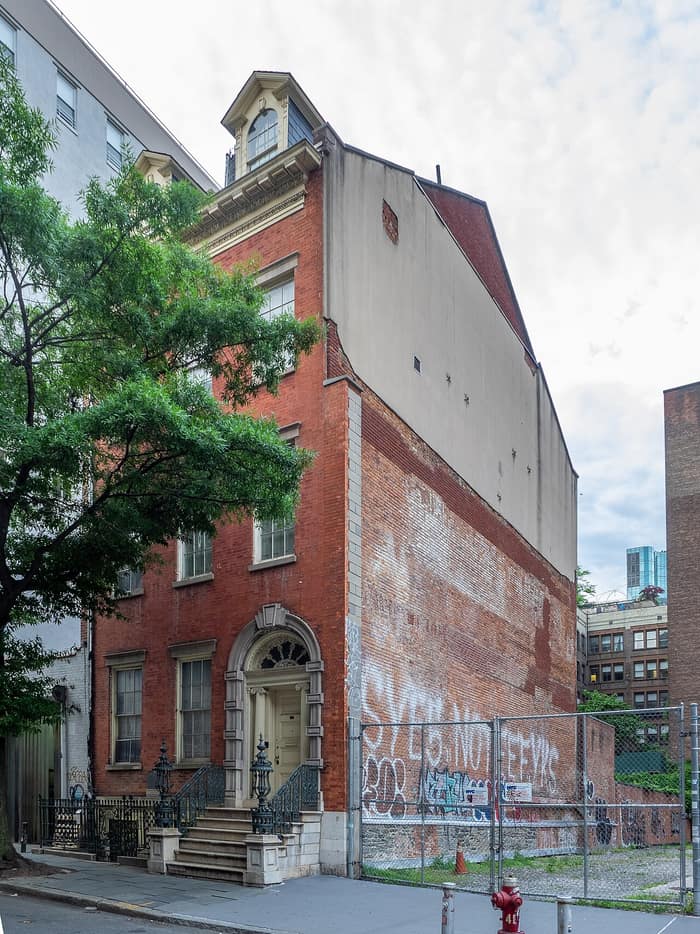
Merchant’s House Museum, a Manhattan Home Frozen in the 1800s
The Merchant’s House Museum, also called the Old Merchant’s House or the Seabury Tredwell House, stands at 29 East Fourth Street in the NoHo neighborhood of Manhattan. Built in 1831–32, it is described as the only 19th-century residence in Manhattan with its original exterior and interior intact. It is a quiet, rewarding stop for anyone who wants a hidden gem near Greenwich Village instead of the big museums.
A family lived in this Manhattan townhouse for almost a century, and when the last daughter died alone in 1933, the rooms still held the family’s furniture, clothes and dishes. A day before an auction, a relative saved it.
The history of the Merchant’s House, from speculative townhouse to museum
The house was built in 1831–32 by Joseph Brewster, a hatter who also developed real estate on speculation. It was one of six identical houses on the same block, on land that had been part of the estate of the businessman John Jacob Astor. In the 1830s the wealthiest New Yorkers were moving north from what is now the Financial District toward Lafayette Street, which was then still mostly undeveloped. Brewster lived in the house for three years and sold it in 1835.
The buyer was Seabury Tredwell, a merchant born in 1780 into a prominent Long Island family. He and his wife, Eliza Parker, had seven children, and the family lived here for nearly a century, spending the summers in New Jersey. Four servants, mostly Irish women, worked in the house at any time. In the 1850s a hand-pulled elevator was installed so that a daughter, Sarah, who had been badly injured in a stagecoach accident, could reach her bedroom, and the house also received gas lighting early.
After Tredwell died in 1865 and the neighborhood changed, the family stayed on. The four unmarried daughters kept living in the house even as wealthy neighbors moved uptown, and they preferred to leave things “as Papa wanted it”. Sources do not agree on why they stayed. By 1909 the last surviving sister, Gertrude, who had been born in the house in 1840, had become a recluse. Electricity, running water and a furnace arrived only around 1930, and she died in the house in 1933. A New York Times reporter described her as forgotten, hemmed in by ugliness.
A distant relative, George Chapman, bought the building the night before it and its contents were to be auctioned. He founded the Historic Landmark Society and opened it as a museum on May 11, 1936. For decades money was scarce, and in the 1960s the house was in very poor condition. In 1965 it became one of the first buildings designated a city landmark, and a National Historic Landmark the same year. A major restoration led by the architect Joseph Roberto took place from 1970 to 1980, and the interior of the basement, first and second floors was landmarked in 1981.
More recent decades brought new challenges: damage from nearby demolition in 1988, a long dispute over a hotel built next door, and exterior renovation work that began in 2025. The museum is owned by the city’s Parks Department and run by a nonprofit that cares for the house and its collection of nearly 4,500 items belonging to the Tredwells.
Little-known facts about the Merchant’s House
- The collection includes about 4,500 items and 39 dresses belonging to Eliza Tredwell and her daughters, among them ball gowns, breakfast peignoirs and black taffeta gowns.
- A cistern in the yard, with a capacity of about 4,000 gallons, predates the Croton Aqueduct that later supplied the city’s water.
- A hidden shaft runs between the two first-floor parlors and the bedrooms upstairs. A 1981 city report called rumors about it unfounded, but researchers concluded in 2026 that it was probably built to shelter fugitives on the Underground Railroad, perhaps without the Tredwells knowing. Sources have differed, and the story is still debated.
- Seabury Tredwell is reported to have been an abolitionist, which may be one reason the Underground Railroad story has lasted.
- Alfred Hitchcock wanted to produce a film at the house in 1956, but the museum’s operators did not allow it.
- For many years visitors claimed Gertrude’s ghost haunted the house, and the museum now offers candlelight “ghost tours” that include short scenes about family members.
Tours near Merchant’s House Museum
Experiences in the area that you can book online with Viator:


Visiting the Merchant’s House Museum in NoHo
- The house is open as a museum with guided, self-guided and neighborhood tours. Check the current opening hours and tour options before you go.
- Inside, the basement kitchen and family room, the double parlors on the first floor and the bedrooms upstairs show how an upper-class family and its servants lived. Explanatory plaques are placed in each room.
- The rear garden is open to the public and has plants grown from specimens excavated on the site.
- Exterior renovation work that began in 2025 has at times changed which entrance is used, so confirm the entrance and any closures in advance.
- Nearby you can see the Bayard-Condict Building and two historic marble cemeteries, all within a short walk.
Opening hours, access and conditions can change. Check before you go.
Map: where Merchant’s House Museum is
Photos of Merchant’s House Museum
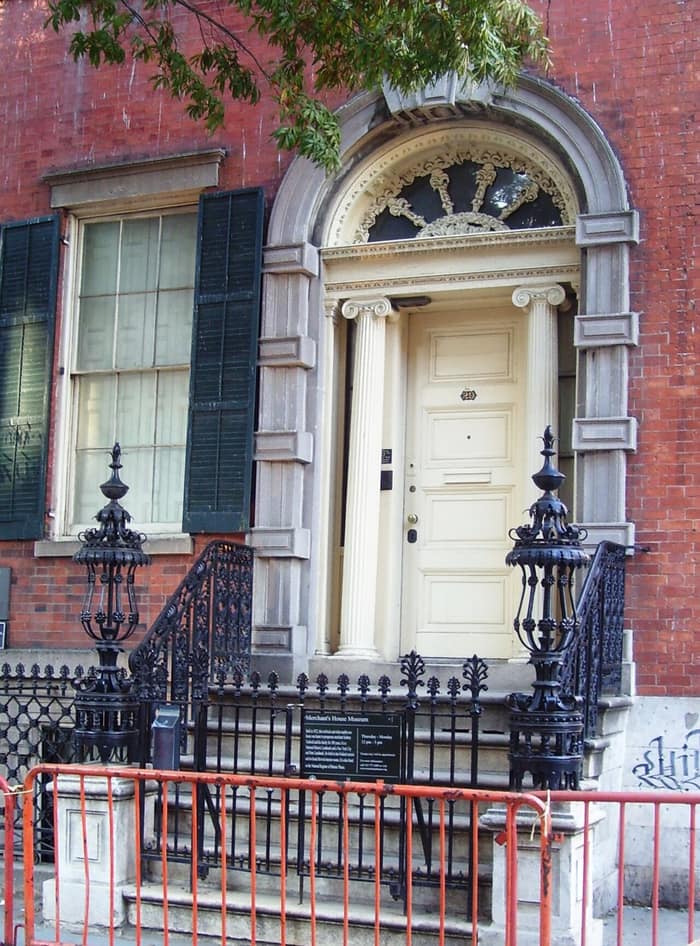
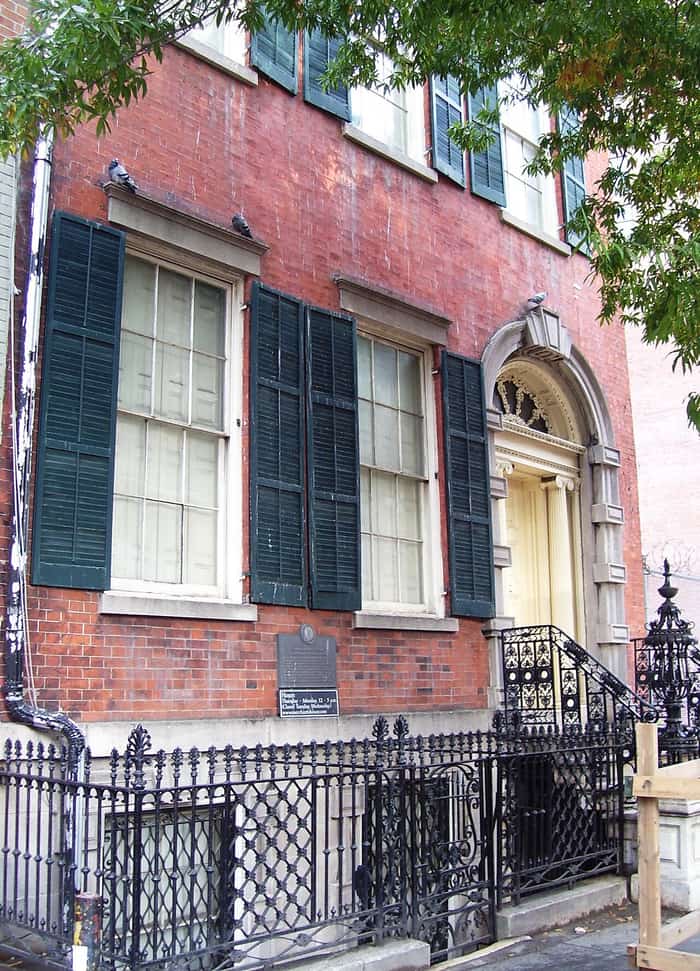
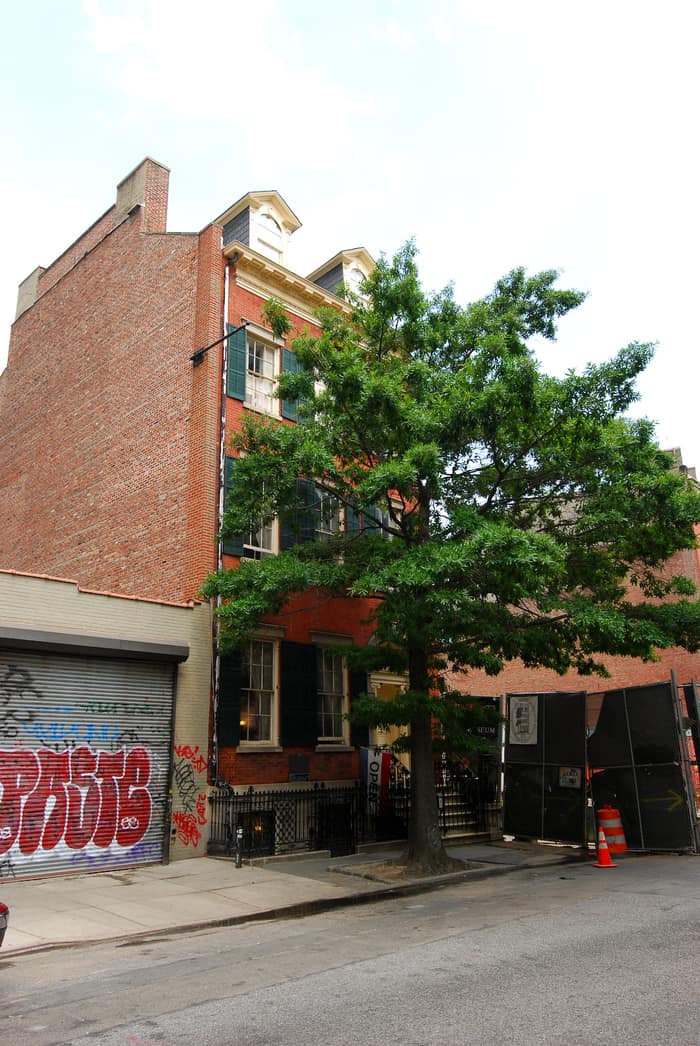
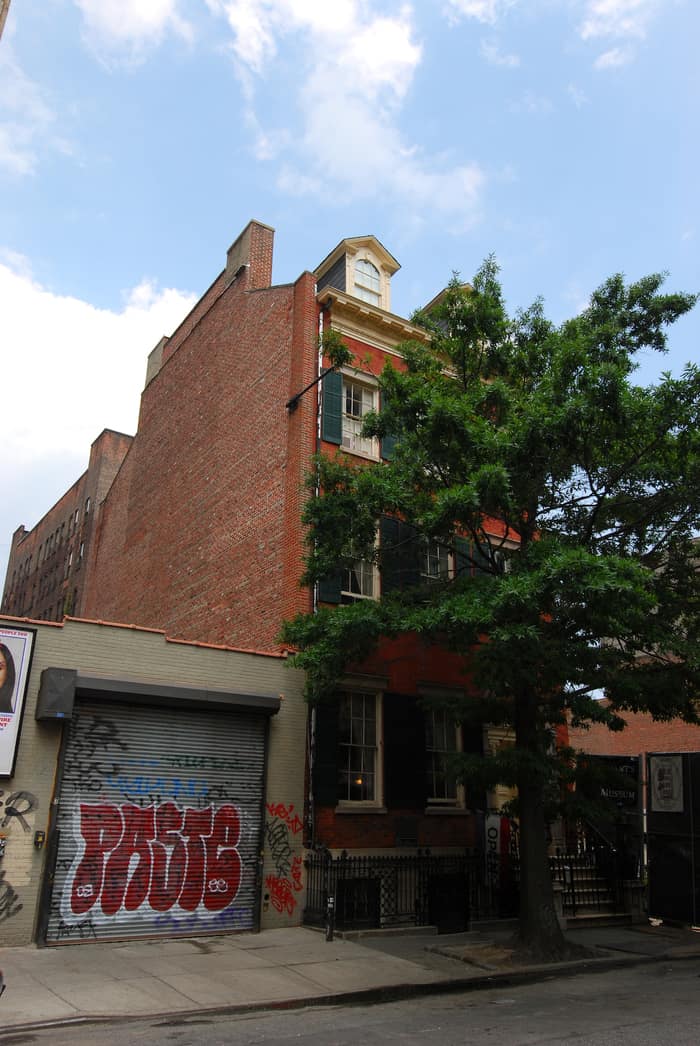
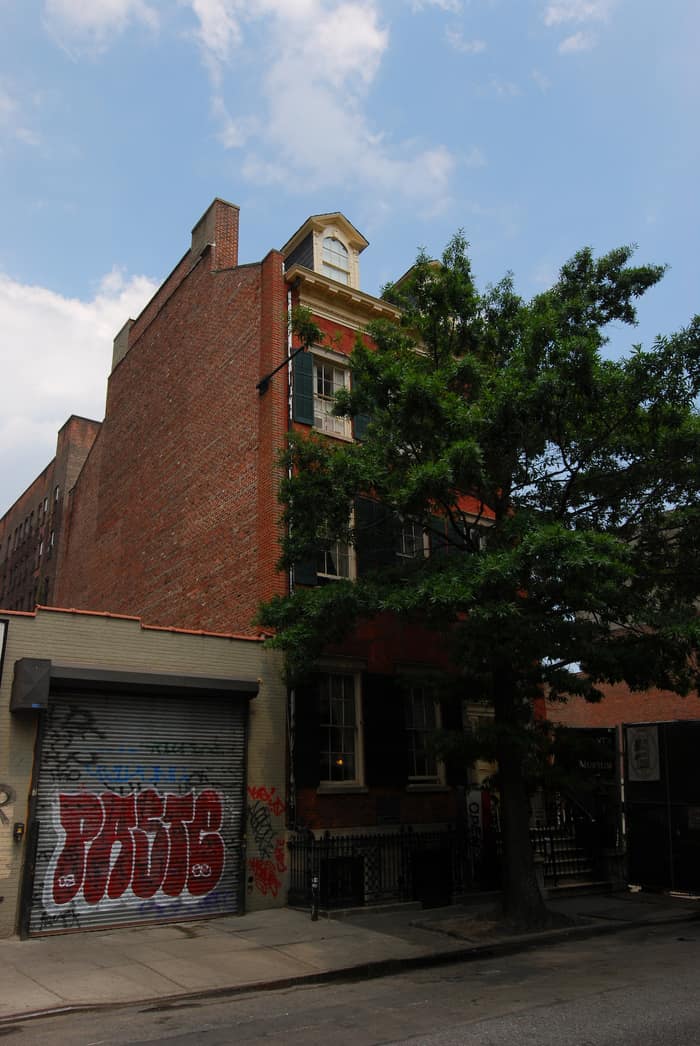
Where to stay near Merchant’s House Museum
Hotels close by, with ratings and current availability.
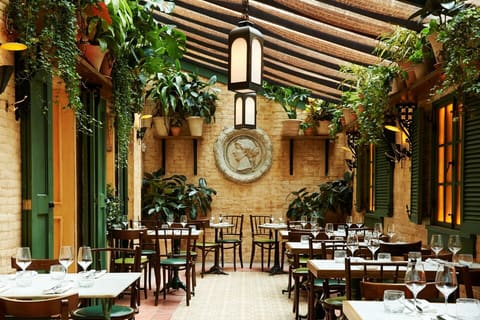
The Marlton Hotel
Check availability ›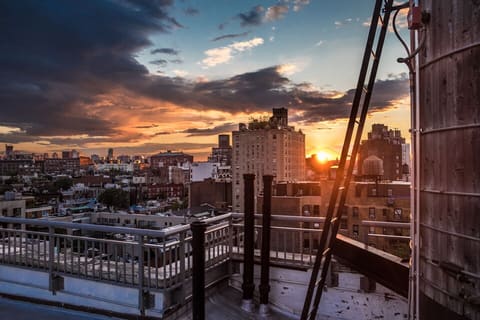
Washington Square Hotel by Library Hotel Collection
Check availability ›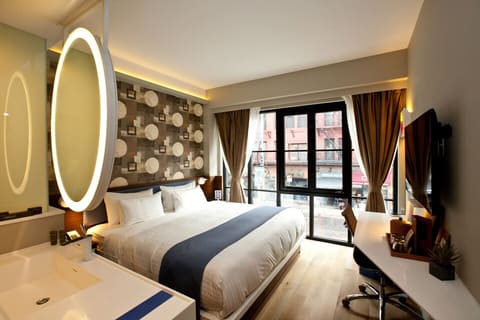
NobleDEN Hotel
Check availability ›Hotel photos: Expedia Group. Ratings are shown as published there. Availability and conditions change; check the booking page. Affiliate links: we may earn a commission at no extra cost to you. All hotels by borough
Questions
What is the Merchant’s House Museum?
It is a house museum at 29 East Fourth Street in NoHo, built in 1831–32, that preserves the home of the Tredwell family with its original furniture and belongings.
Why is the Merchant’s House Museum special?
It is described as the only 19th-century residence in Manhattan with its original exterior and interior intact, and its interior is a New York City landmark.
Who lived in the Merchant’s House?
The merchant Seabury Tredwell, his wife Eliza and their seven children lived here for almost a century, until the youngest daughter, Gertrude, died in 1933.
Is there a secret passage in the Merchant’s House?
Yes, a narrow shaft between the parlors and the second-floor bedrooms. Its purpose has been debated, and researchers suggested in 2026 that it was probably part of the Underground Railroad.
Is the Merchant’s House Museum haunted?
Visitors have long claimed that it is, but this is only a legend. The museum runs candlelight ghost tours, so ask about them if you are interested.
How do I get to the Merchant’s House Museum?
It is on East Fourth Street between Lafayette Street and the Bowery in NoHo, Manhattan. Check current transit options and the entrance before you go.
Also nearby

New York Marble Cemetery
New York Marble Cemetery · a hidden 1830 graveyard of marble vaults
250 m away
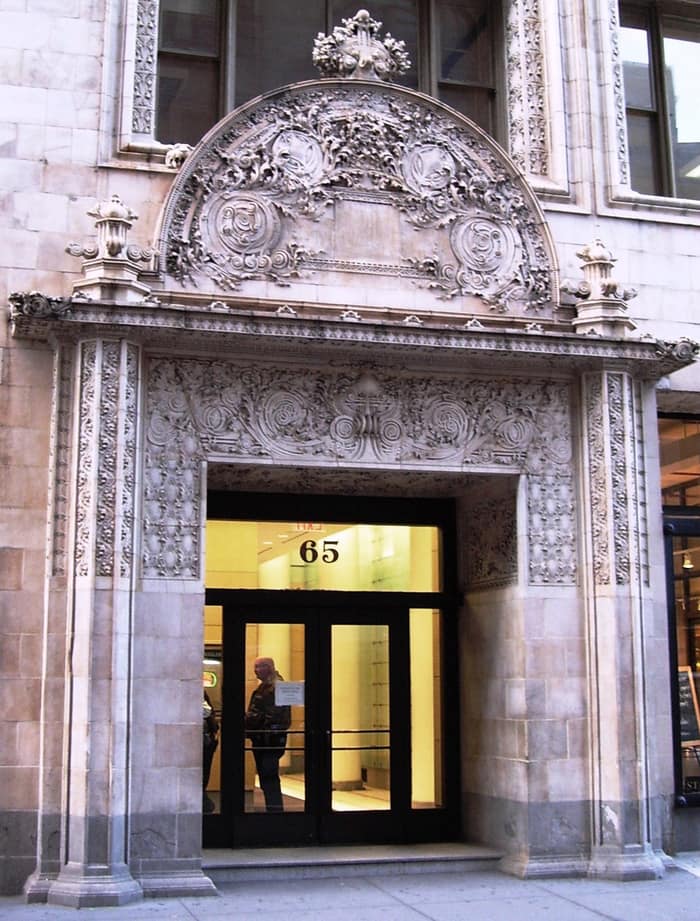
Bayard-Condict Building
Bayard-Condict Building · Sullivan’s only NYC skyscraper, with winged angels
250 m away

New York City Marble Cemetery
NYC Marble Cemetery · 258 marble vaults behind a wall
400 m away

St. Mark’s Church in-the-Bowery
St. Mark’s Church · Peter Stuyvesant’s vault and poets’ stage
500 m away