
HMS Liverpool, the Royal Navy Frigate Wrecked off New York
HMS Liverpool was a 28-gun frigate of the Royal Navy, launched in 1758 and wrecked on 11 February 1778 in Jamaica Bay, on the Long Island side of New York City. It is a hidden-history stop for anyone curious about the American Revolution and the lost ships of the harbor, although there is nothing to board: this is a story about a wreck, not a museum ship.
A cannonball fired by this British frigate is still lodged in the wall of a church in Norfolk, Virginia. Her own voyage ended in 1778 in the shallow waters of Jamaica Bay, New York.
The history of HMS Liverpool, from launch to wreck in Jamaica Bay
HMS Liverpool was a sixth-rate frigate of the Coventry class, ordered after the Seven Years’ War began. At that time the Royal Dockyards were busy with larger ships, so private yards received the contracts. The one for Liverpool went to the shipwrights John Gorill and William Pownall, whose yard stood in the English city that gave the ship her name. Her keel was laid in October 1756, and she was launched on 10 February 1758, six months behind schedule. She was an oak-built ship about 118 feet long, armed with twenty-four nine-pounder cannons on the gun deck plus smaller guns, and designed for a crew of around 200.
Her builders gave her a broad hull with room for provisions and a large magazine, so she could stay at sea for long periods. The price was lower maneuverability and slower speed in light winds. Her career began badly: in June 1758, during a storm off Crosby, near Liverpool, she was driven ashore. Captain Richard Knight ordered the main and mizzen masts cut away so that the ship would right herself, and she was refloated the next day. Back at sea in 1759, she took part in the effort to choke French trade at Dunkirk and captured the privateer L’Emerillon on 11 May 1759. Other French privateers fell to her in the following years, during convoy duty and the loose blockade of Brest.
When the war ended she was taken out of service. After a major repair between 1766 and 1767, she sailed to Newfoundland and then the Mediterranean, and was paid off at Chatham in March 1772. The American Revolutionary War brought her back: she was recommissioned in July 1775 under Captain Henry Bellew and sailed for North America that September. On 1 January 1776 she was one of three warships in the bombardment of Norfolk, Virginia. In August of that year she captured the American schooner Warren off Nova Scotia and turned her into a tender.
In 1777 Liverpool joined the fleet of Viscount Howe and served in the advance fleet that took part in the Battle of Red Bank on the Delaware River. Her last chapter was in New York waters: on 11 February 1778 she was wrecked in Jamaica Bay, Long Island. The sources consulted do not describe how it happened or what remains of the wreck today, so these questions are left open.
Little-known facts about HMS Liverpool
- A cannonball fired from Liverpool during the bombardment of Norfolk in 1776 is still lodged in a wall of Saint Paul’s Episcopal Church in that Virginia city.
- She was built in a private shipyard in the city of Liverpool, which is why the Admiralty chose that name for her.
- Her launch came six months after the planned date, and her first year at sea nearly ended in disaster when a storm threw her onto the shore near Crosby.
- Navy crew lists of the time included “widow’s men”, fictitious crew members whose pay was passed on to the families of sailors who died at sea; Liverpool had four such positions.
- She captured at least five French privateers during the Seven Years’ War, among them L’Emerillon, La Nouvelle Hirondelle, Le Glaneur and Le Grand Admiral.
- The American schooner Warren, captured in 1776, was turned into a ship’s tender for Liverpool.
Tours near HMS Liverpool
Experiences in the area that you can book online with Viator:

What to know about the wreck of HMS Liverpool today
- There is no ship to board and no museum: the sources describe a wreck from 1778, not a preserved vessel or a marked site.
- Jamaica Bay is a large tidal bay on the southwestern shore of Long Island, in New York City. The exact wreck position and any remains are not described in the sources, so do not expect a monument or a viewpoint.
- If you want to explore the area, nearby places in this guide such as Floyd Bennett Field and Fort Tilden fit the same off-the-beaten-path theme.
- Do not try to reach the water or any wreck by your own means. Check the current rules for Jamaica Bay and its shoreline before going.
Opening hours, access and conditions can change. Check before you go.
Map: where HMS Liverpool is
Photos of HMS Liverpool


Where to stay near HMS Liverpool
Hotels close by, with ratings and current availability.
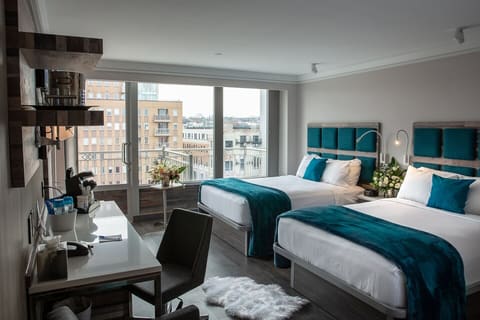
Hotel Le Bleu
Check availability ›
EVEN Hotel Brooklyn by IHG
Check availability ›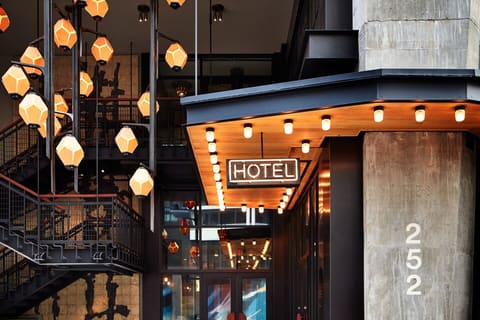
Ace Hotel Brooklyn
Check availability ›Hotel photos: Expedia Group. Ratings are shown as published there. Availability and conditions change; check the booking page. Affiliate links: we may earn a commission at no extra cost to you. All hotels by borough
Questions
What happened to HMS Liverpool?
The Royal Navy frigate was wrecked on 11 February 1778 in Jamaica Bay, off Long Island, during the American Revolutionary War. The sources used do not explain the details of the loss.
Can you visit the wreck of HMS Liverpool?
No visit is described in the sources, and no marked wreck site or monument is mentioned. Check current local information and the rules for Jamaica Bay before planning anything.
What kind of ship was HMS Liverpool?
She was a 28-gun sixth-rate frigate of the Coventry class, built of oak and launched in 1758. She was designed for a crew of about 200.
Where is Jamaica Bay?
It is a bay on the southwestern shore of Long Island, within New York City, near places such as Floyd Bennett Field and Fort Tilden.
What did HMS Liverpool do in the American Revolution?
She sailed to North America in 1775, took part in the bombardment of Norfolk in 1776, captured the schooner Warren and served in the fleet of Viscount Howe in 1777.
Why is she called HMS Liverpool?
She was named after the English city of Liverpool, where her builders had their shipyard.
Also nearby
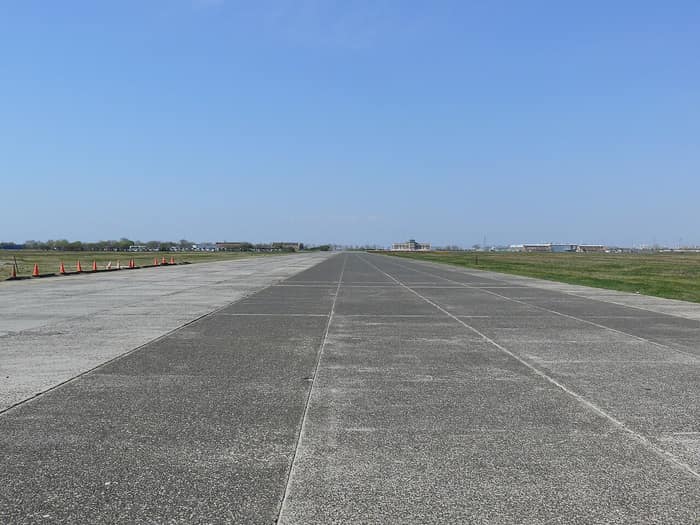
Floyd Bennett Field
Floyd Bennett Field · Brooklyn’s historic airfield on Jamaica Bay
3 km away

Barren Island
Barren Island · former island of fish oil, garbage and Dead Horse Bay
3.5 km away

Fort Tilden
Fort Tilden · graffiti-covered batteries between dunes and sea
5 km away

Hendrick I. Lott House
Hendrick I. Lott House · a Dutch colonial farmhouse in Marine Park
7 km away