
Seaview Hospital, Staten Island’s Landmarked Tuberculosis Hospital
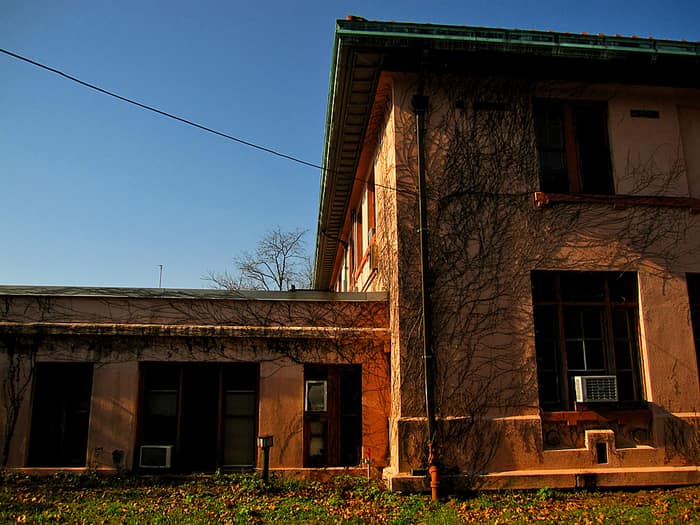
Seaview Hospital is a historic hospital complex in the Willowbrook area of Staten Island. Dozens of brick pavilions in Colonial Revival and Tudor Revival style line a long north–south axis along Brielle Avenue. It is one of the most atmospheric “plan B” stops in the borough for architecture and history lovers, with the caveat that parts of it are still in use and others are off limits.
Built between 1905 and 1938, it was the largest and costliest municipal tuberculosis hospital in the United States. Today part of it still treats patients, while other buildings have sat empty for years.
The history of Seaview Hospital, Staten Island’s tuberculosis complex
Seaview Hospital was planned and built between 1905 and 1938 as a municipal facility for the treatment of tuberculosis. At that time it was the largest and most costly of its kind in the United States, and it grew in stages into something close to a small village of pavilions, service buildings and chapels.
The oldest parts date to the first decade of the 20th century, such as the women’s pavilions built from 1909 to 1911. A kitchen and dining hall group and a power house followed in 1912, and a main group around the administration building and surgical pavilion was completed in 1913. In 1917 came an auditorium, today known as Colony Hall, and open-air pavilions for men and women, a design meant to give patients fresh air. Later additions include a pathology lab in 1927–1928, a Catholic chapel and rectory in 1928, the Chapel of St. Luke the Physician in 1934, and a large children’s hospital built between 1935 and 1937. A separate isolation hospital for Richmond County opened in 1928.
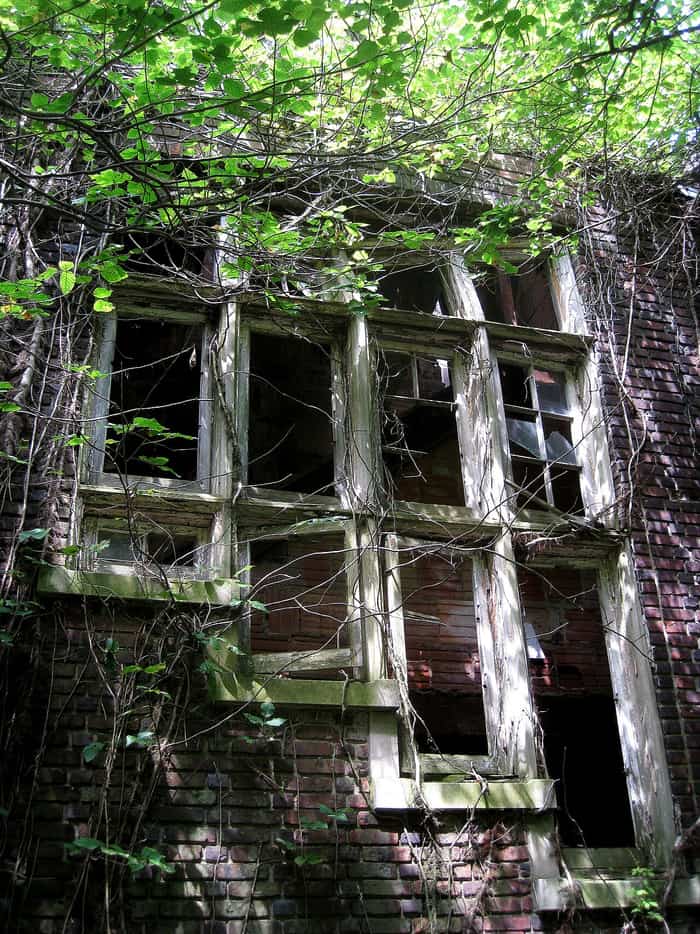
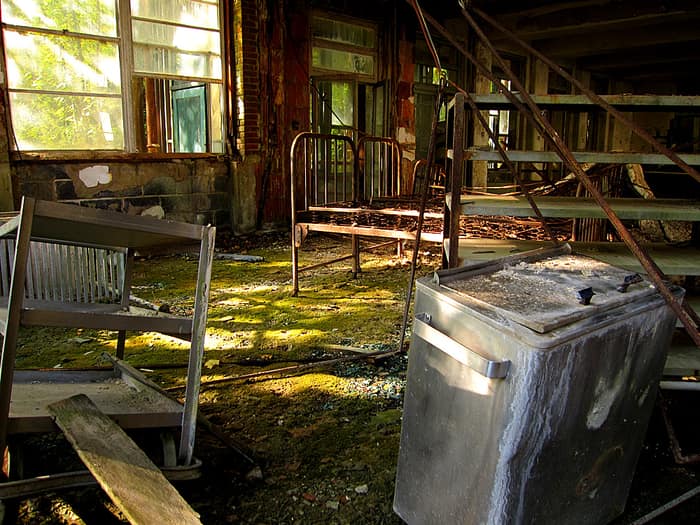
The complex was eventually shuttered and spent many years empty. It was designated a New York City landmark, with its grounds, in 1985 and was added to the National Register of Historic Places in 2005 as a historic district with 37 contributing buildings and one contributing site. Parts of the site have since reopened as a long-term care and rehabilitation center within the city’s public hospital network, with a nursing home and an independent living complex in the former nurses’ residence, while other buildings remain unused.
Little-known facts about Seaview Hospital
- The complex has 37 contributing buildings in its historic district, arranged mostly along a north–south axis beside Brielle Avenue.
- One of its buildings was called the Sputum House, dated in sources to 1911 with a later date of 1932.
- The former Nurses Residence from 1913, enlarged in 1932, now serves as an independent living complex for seniors called Parklane at Seaview.
- The 1917 auditorium, once called the “New Dining Hall”, is known today as Colony Hall.
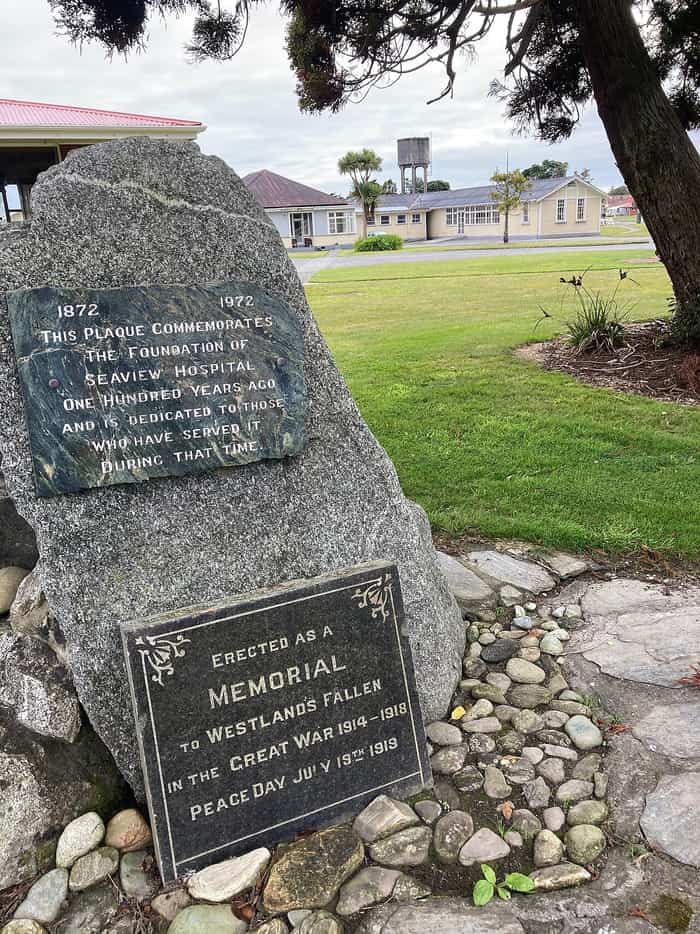
- A pair of plaques seen in photographs of the site commemorate the 1972 centennial of the Seaview “asylum” and those lost in World War I.
- The rehabilitation center that operates on part of the site houses the first long-term care brain injury rehabilitation center in downstate New York.
Seaview Hospital on screen
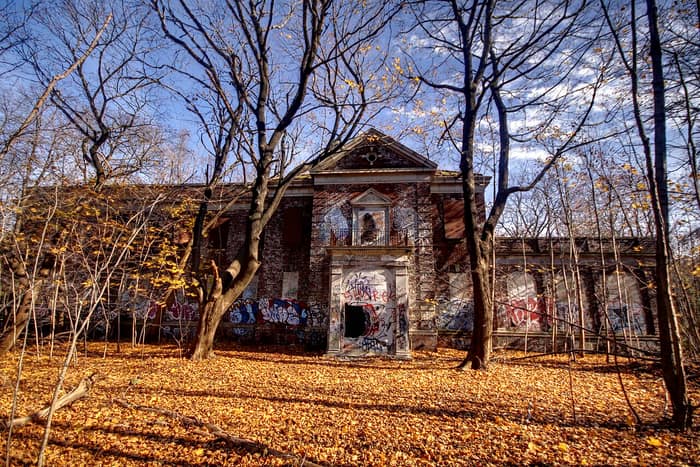
The abandoned look of the complex has attracted a few productions, according to Wikipedia.
- Death Blooms (Mudvayne) (2001) – The site was used as a filming location for this song by the alternative metal band Mudvayne.
- Terrifier (2015) – The complex was used as a filming location for this horror film by Damien Leone.
Visiting Seaview Hospital: what you can see and what is closed
- The site is a mix of a working care facility and abandoned buildings. Entering closed or unused buildings is not allowed; the safe way to appreciate the architecture is from the public street.
- Walking or driving along Brielle Avenue gives a sense of the north–south layout of the pavilions and their Colonial Revival and Tudor Revival brickwork.
- Access rules for the grounds are not described in the available sources, so access is restricted or limited; check the current rules before you go.
- Nearby sights on Staten Island include the Vanderbilt Family Cemetery and Mausoleum, the Jacques Marchais Museum of Tibetan Art, Historic Richmond Town and Voorlezer’s House.
- Treat the site with respect: it was built for people with a serious disease, and some of it is a working health facility today.
Opening hours, access and conditions can change. Check before you go.
Map: where Seaview Hospital is
Photos of Seaview Hospital
Where to stay near Seaview Hospital
Hotels close by, with ratings and current availability.
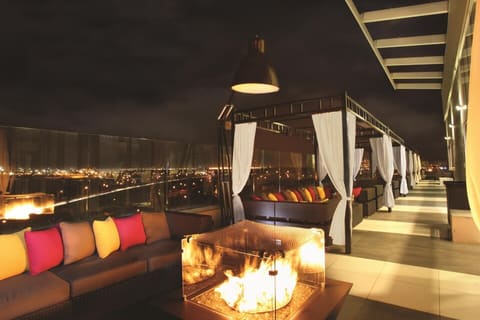
Hilton Garden Inn New York / Staten Island
Check availability ›
Hampton Inn & Suites Staten Island
Check availability ›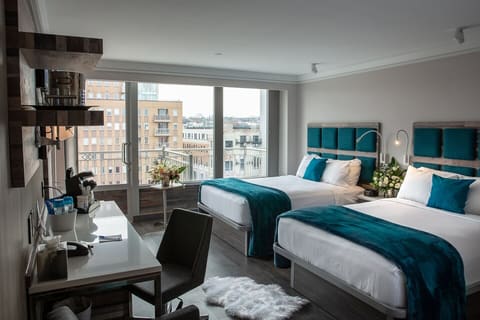
Hotel Le Bleu
Check availability ›Hotel photos: Expedia Group. Ratings are shown as published there. Availability and conditions change; check the booking page. Affiliate links: we may earn a commission at no extra cost to you. All hotels by borough
Questions
What is Seaview Hospital?
Seaview Hospital is a historic hospital complex in Willowbrook, Staten Island, built between 1905 and 1938. It was the largest and most costly municipal tuberculosis facility in the United States of its time.
Is Seaview Hospital abandoned?
Partly. After years empty, portions reopened as a long-term care and rehabilitation center, while other buildings of the complex remain unused.
Can you visit Seaview Hospital?
The working care facility is for its patients and visitors, and closed buildings are off limits. You can see the buildings from the surrounding streets; check the current access rules before you go.
Where is Seaview Hospital?
It is in the Willowbrook area of Staten Island, with its main buildings along Brielle Avenue.
Is Seaview Hospital a landmark?
Yes. It was designated a New York City landmark in 1985 and added to the National Register of Historic Places in 2005.
Has Seaview Hospital appeared in films?
According to Wikipedia, it was a filming location for the 2001 Mudvayne song “Death Blooms” and for Damien Leone’s Terrifier, filmed in 2015.
Also nearby

Vanderbilt Family Cemetery and Mausoleum
Vanderbilt Family Cemetery · Gilded Age mausoleum, private site
1 km away

Jacques Marchais Museum of Tibetan Art
Jacques Marchais Museum · a Himalayan monastery on Staten Island
2 km away
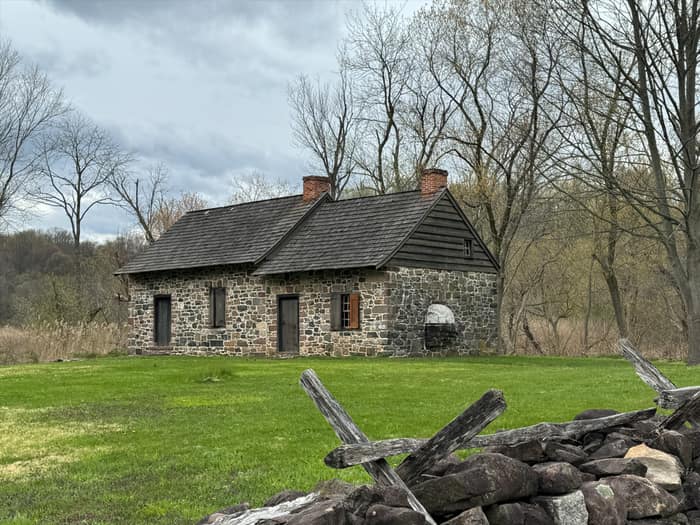
Historic Richmond Town
Historic Richmond Town · a Staten Island village in time
2.5 km away

Voorlezer’s House
Voorlezer’s House · Dutch-era “schoolhouse” on Staten Island
2.5 km away